Predictive vs Preventive vs Reactive Maintenance: What’s Best for Your Facility?
When it comes to keeping your equipment running reliably, the maintenance strategy you choose can have a major impact on downtime, costs, and long-term performance.
If you’ve been comparing predictive vs preventive maintenance or wondering whether your current approach is holding your operation back, you’re not alone. Many facilities still rely on outdated methods, often without realising the cost.
So, which maintenance strategy is right for your business?
What are the three main types of maintenance?
Most industrial maintenance approaches fall into three categories:
- Reactive Maintenance (Run-to-Failure)
- Preventive Maintenance (Scheduled Maintenance)
- Predictive Maintenance (Condition-Based Monitoring)
Each has its place, but they deliver very different results.
Reactive Maintenance: The “Fix It When It Breaks” Approach
Reactive maintenance is exactly what it sounds like: you wait until something fails, then repair or replace it.
Pros:
- Low upfront cost
- No planning required
Cons:
- Unplanned downtime
- Higher repair costs
- Increased risk of secondary damage
- Shorter equipment lifespan
While reactive maintenance might work for non-critical assets, relying on it for key equipment can quickly become expensive and disruptive.
Best for: Low-value, non-essential equipment where failure won’t impact operations.
Preventive Maintenance: Staying Ahead with Scheduled Servicing
Preventive maintenance involves carrying out regular servicing at set intervals, based on time, usage, or manufacturer recommendations.
Pros:
- Reduces unexpected breakdowns
- Extends asset life
- Easier to plan and budget
Cons:
- Can lead to unnecessary maintenance
- Doesn’t account for actual equipment condition
- Still possible to miss early-stage faults
This is a solid step up from reactive maintenance and is still widely used across many industries.
Best for: Equipment with predictable wear patterns and moderate criticality.
Predictive Maintenance: Smarter, Data-Driven Decisions
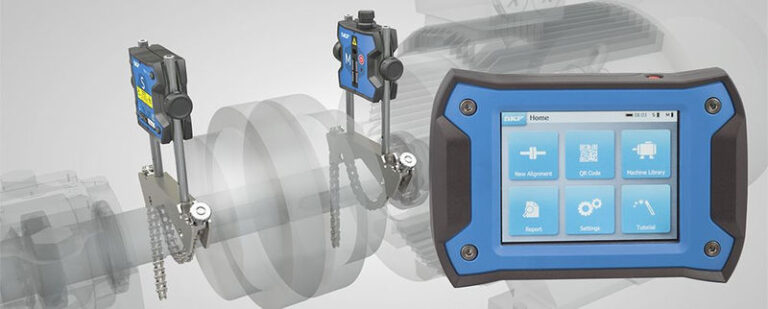
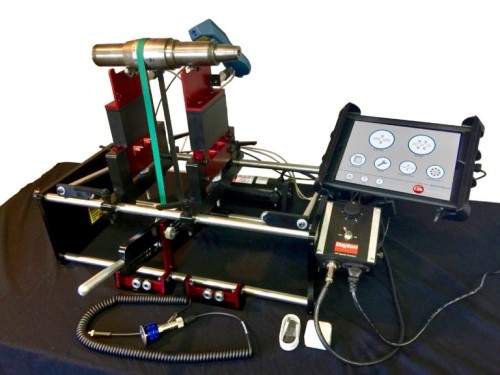
Predictive maintenance uses real-time data and condition monitoring tools, like vibration analysis, thermography, and wireless sensors, to detect faults before they cause failure.
Pros:
- Minimises downtime
- Reduces maintenance costs
- Detects issues early
- Maximises equipment lifespan
Cons:
- Higher upfront investment
- Requires specialised tools and expertise
By monitoring actual equipment condition, predictive maintenance allows you to intervene only when needed, saving both time and money.
Best for: Critical assets where downtime is costly and reliability is essential.
Predictive vs Preventive Maintenance: What’s the Difference?
This is one of the most common questions businesses ask, and for good reason.
- Preventive maintenance is based on time or usage (e.g. service every 6 months)
- Predictive maintenance is based on real condition data (e.g. service when vibration indicates wear)
In short:
- Preventive = scheduled
- Predictive = intelligent and condition-based
Many facilities are now shifting toward predictive strategies because they eliminate unnecessary servicing while improving reliability.
Which Maintenance Strategy Is Best?
There’s no one-size-fits-all answer. The most effective approach is usually a combination of all three.
A balanced strategy might look like:
- Reactive maintenance for low-risk assets
- Preventive maintenance for standard equipment
- Predictive maintenance for critical machinery
This layered approach helps optimise cost, performance, and reliability across your entire operation.
Why More Facilities Are Moving to Predictive Maintenance
With advances in wireless condition monitoring and data analytics, predictive maintenance is becoming more accessible than ever.
Businesses are making the shift because it delivers:
- Reduced unplanned downtime
- Lower total maintenance costs
- Better asset performance
- Increased operational confidence
For many New Zealand facilities, the move from preventive to predictive is where the biggest gains are found.
Choosing between predictive vs preventive vs reactive maintenance isn’t about picking one, it’s about using the right strategy in the right place.
If your current approach is leading to unexpected breakdowns, rising costs, or inefficiencies, it may be time to rethink your maintenance strategy.
Ready to Improve Your Maintenance Strategy?
At TRS, we help New Zealand industry implement smarter maintenance solutions, from routine servicing through to advanced predictive maintenance technologies.
If you’re ready to reduce downtime and get more from your equipment, get in touch with our team today.