How to extend the lifespan of your electric motors
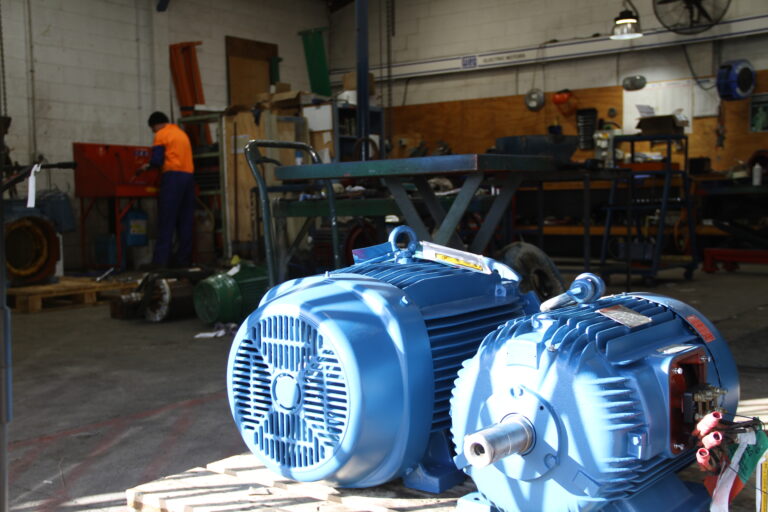
Electric motors play a vital role in keeping everything from factory equipment to everyday tools running smoothly.
Whether you’re managing equipment for a large facility or maintaining a few electric motors at home, keeping them in good condition is essential to maximise performance, prevent costly downtime, and extend their lifespan.
Want your electric motors to last longer and run more efficiently? Keep reading to find out what you should know about maintenance, common issues, and getting the most out of your equipment.
Why electric motor maintenance matters
A well-maintained electric motor runs more efficiently, consumes less energy, and is far less likely to fail unexpectedly. Regular care can extend a motor’s operational life by several years, saving you the cost of repairs or full replacements.
For businesses, this means reduced production delays and lower maintenance budgets. For home or hobby users, it means reliable performance and long-term savings.
Routine maintenance tips for electric motors
Whether you’re running a factory line or a small workshop, regular maintenance is key. Here are the core areas to focus on:
1. Keep it clean
Dust, dirt, and debris can insulate the motor, trapping heat and causing it to overheat.
- Wipe the exterior regularly to prevent build-up.
- For industrial motors, consider filtered enclosures or protective covers.
- If safe and applicable, blow out dust using dry compressed air (ensure power is disconnected first).
2. Monitor temperature and ventilation
Heat is one of the biggest enemies of motor longevity.
- Ensure cooling fans and vents aren’t blocked.
- Check that ambient temperatures around the motor stay within the manufacturer’s recommended range.
- If your motor feels hotter than normal, it may indicate an issue with load, airflow, or lubrication.
3. Check bearings and lubrication
Bearings are a common failure point in electric motors.
- Follow the manufacturer’s lubrication schedule. Both over-lubrication and under-lubrication can cause damage.
- Listen for unusual noises, such as grinding or squealing, which may signal bearing wear.
- In heavy-use environments, use vibration analysis or thermal imaging to detect early signs of bearing failure.
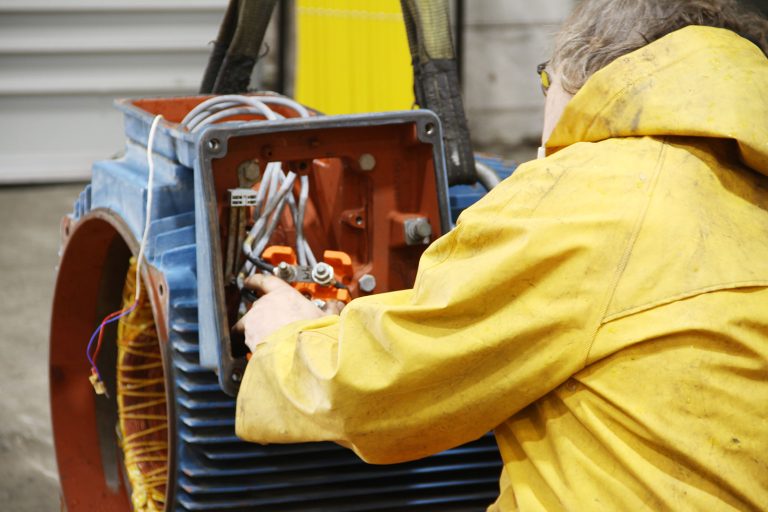
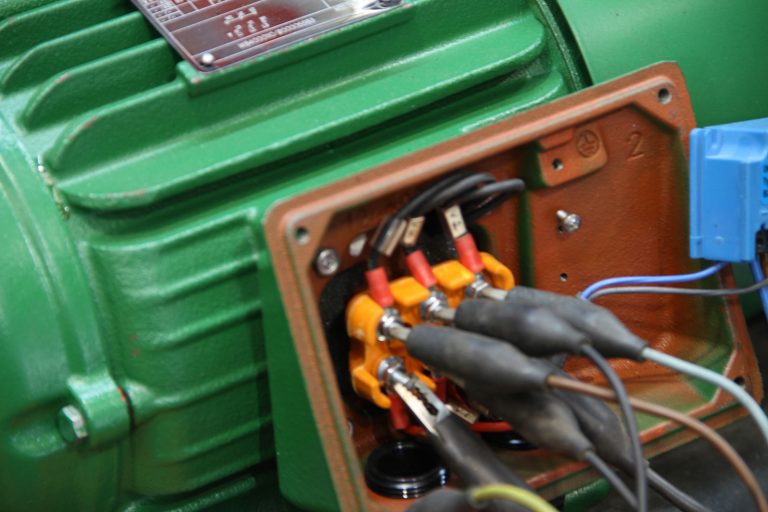
4. Inspect electrical connections
Loose or corroded connections can lead to voltage drops, overheating, and inefficiency.
- Regularly inspect terminals and tighten where necessary.
- Look for signs of corrosion, frayed wires, or burnt insulation.
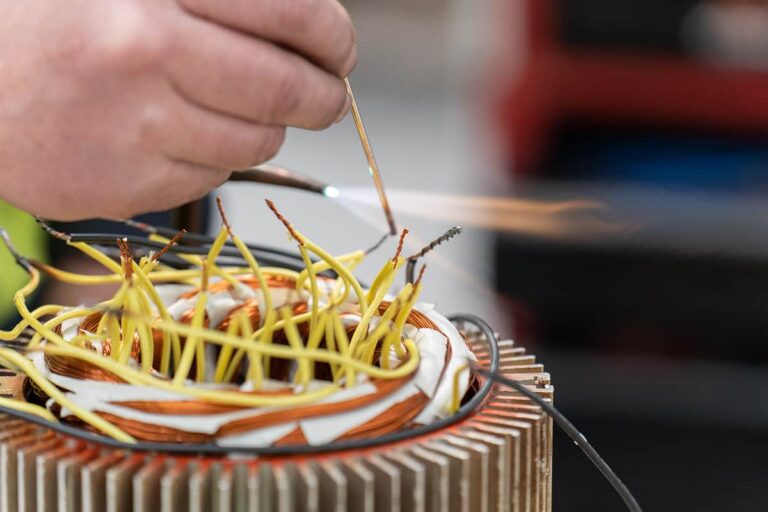
- Test insulation resistance to ensure windings are in good condition.
5. Align and balance properly
Poor alignment or unbalanced loads can create vibration and shorten bearing life.
- Check shaft alignment after any maintenance work or movement of the motor.
- Use laser or dial indicators for precision alignment.
- Regularly inspect couplings and mounts for wear or looseness.
Common electric motor issues and how to prevent them
Even with good care, electric motors can still develop issues. Here are some of the most common causes of failure:
| Problem | Likely Cause | Prevention Tip |
| Overheating | Overload, poor ventilation, dirt build-up | Monitor load and clean cooling systems |
| Bearing failure | Poor lubrication, misalignment, contamination | Follow lubrication schedule and keep area clean |
| Electrical faults | Loose connections, insulation damage, moisture | Inspect regularly and ensure proper sealing |
| Vibration or noise | Imbalance, misalignment, damaged bearings | Balance components and realign as needed |
| Reduced efficiency | Worn components, voltage imbalance | Check voltage and service motor periodically |
Best practices for long motor life
Follow these best practices to ensure your electric motors perform reliably year after year:
- Operate within design limits: Avoid running motors continuously at maximum load.
- Use quality power supply: Voltage fluctuations can stress the windings and reduce lifespan.
- Protect against moisture: Use sealed or IP-rated motors in damp environments.
- Record maintenance: Keep a simple log of inspections, lubrication, and repairs. Small details can help you spot patterns or early warnings.
- Partner with experts: For commercial or critical systems, regular professional inspections from a qualified service team can detect issues before they cause downtime.
When to seek professional help
If your motor is overheating, tripping breakers, or showing signs of excessive vibration or noise, it’s best to get it checked by a qualified technician. Early intervention can often save a motor before a full rebuild or replacement is needed.
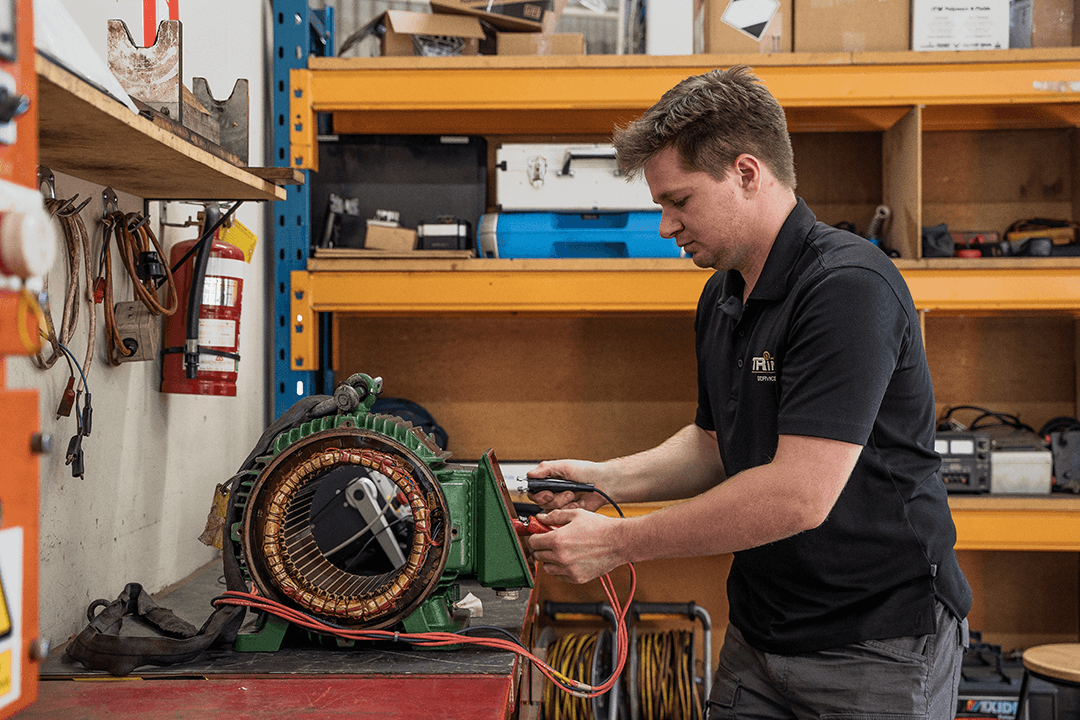
At TRS, we specialise in electric motor repairs, rewinds, and maintenance across New Zealand. Our experienced team helps both businesses and individuals keep their motors running efficiently and reliably.
Maintaining performance for the long run
Electric motors are designed to last for many years, but only if they’re properly maintained. A proactive approach to cleaning, lubrication, inspection, and alignment will keep your motors performing smoothly and help avoid expensive breakdowns.
If you’d like advice or support with electric motor servicing, get in touch with the TRS team. We’re here to help you extend the life of your motors and keep your operations running without interruption.
Summary
Regular electric motor maintenance is the key to longer lifespan, better performance, and fewer breakdowns. By keeping motors clean, well-lubricated, and properly aligned, you can prevent common issues like overheating, bearing failure, and electrical faults. Whether you’re managing commercial equipment or using electric motors at home, small routine checks make a big difference over time. For expert help with electric motor repairs, rewinds, or servicing across New Zealand, contact the team at TRS.