How to identify early signs of wear in motors, pumps, and gearboxes
Rotating machinery powers countless industrial processes across New Zealand, from production lines and processing plants to water treatment facilities. While motors, pumps, and gearboxes are built for heavy-duty, continuous operation, they inevitably experience wear over time. Identifying early signs of deterioration not only helps prevent unexpected breakdowns but also maximises equipment lifespan, reduces maintenance costs, and keeps operations running smoothly.
At TRS, we work with industries across New Zealand to detect potential issues before they escalate. Here’s a practical guide on how to indentify early signs of wear in rotating machinery.
Unusual vibrations or noises
One of the first indicators of wear is a change in how a machine sounds or vibrates.
- Motors: Buzzing, humming, or grinding noises can indicate bearing wear, rotor imbalance, or electrical issues.
- Pumps: Cavitation or irregular vibrations may signal impeller damage or misalignment.
- Gearboxes: Whining, clunking, or knocking noises often point to gear tooth wear or insufficient lubrication.
Tip: Regular vibration monitoring can help detect these issues before they lead to failure.
Excessive heat or temperature fluctuations
Rotating equipment that runs hotter than usual is often under stress.
- Motors: Overheating can result from winding insulation deterioration, blocked ventilation, or overloading.
- Pumps: Heat in the casing or shaft can indicate friction from worn bearings or seals.
- Gearboxes: Rising temperatures may signal lubrication breakdown, gear wear, or misalignment.
Tip: Thermal imaging and regular temperature checks help identify hotspots early.
Leaks or Contamination
Lubrication and seal integrity are critical for smooth operation. Small leaks or contamination can quickly escalate into major damage.
- Oil or grease leaks: Often point to worn seals or gaskets.
- Water ingress: Particularly in pumps or gearboxes exposed to outdoor or wet environments, this can accelerate corrosion and wear.
- Contaminated lubricants: Dirt, metal particles, or sludge in oils are warning signs of internal wear.
Tip: Routine oil analysis is an inexpensive way to track wear and prevent failure.
Reduced performance or efficiency
A decline in output or increased energy consumption is a subtle but important signal.
- Motors: Higher current draw or slower speed under normal load can indicate winding degradation or mechanical drag.
- Pumps: Lower flow rates, pressure loss, or cavitation may suggest impeller or bearing wear.
- Gearboxes: Difficulty transmitting power smoothly or unusual resistance can indicate worn gears or shafts.
Tip: Comparing performance data against baseline measurements helps catch issues early.
Physical wear and visible damage
Some signs of wear are obvious on inspection:
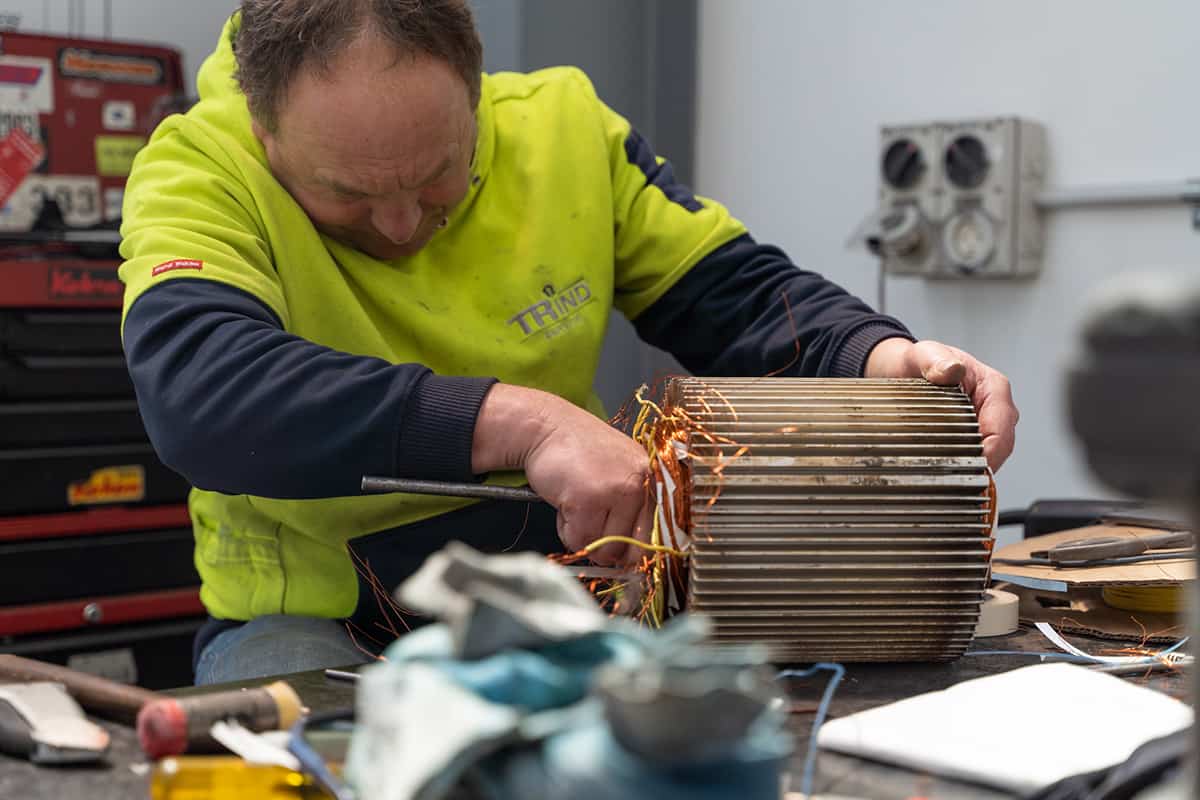
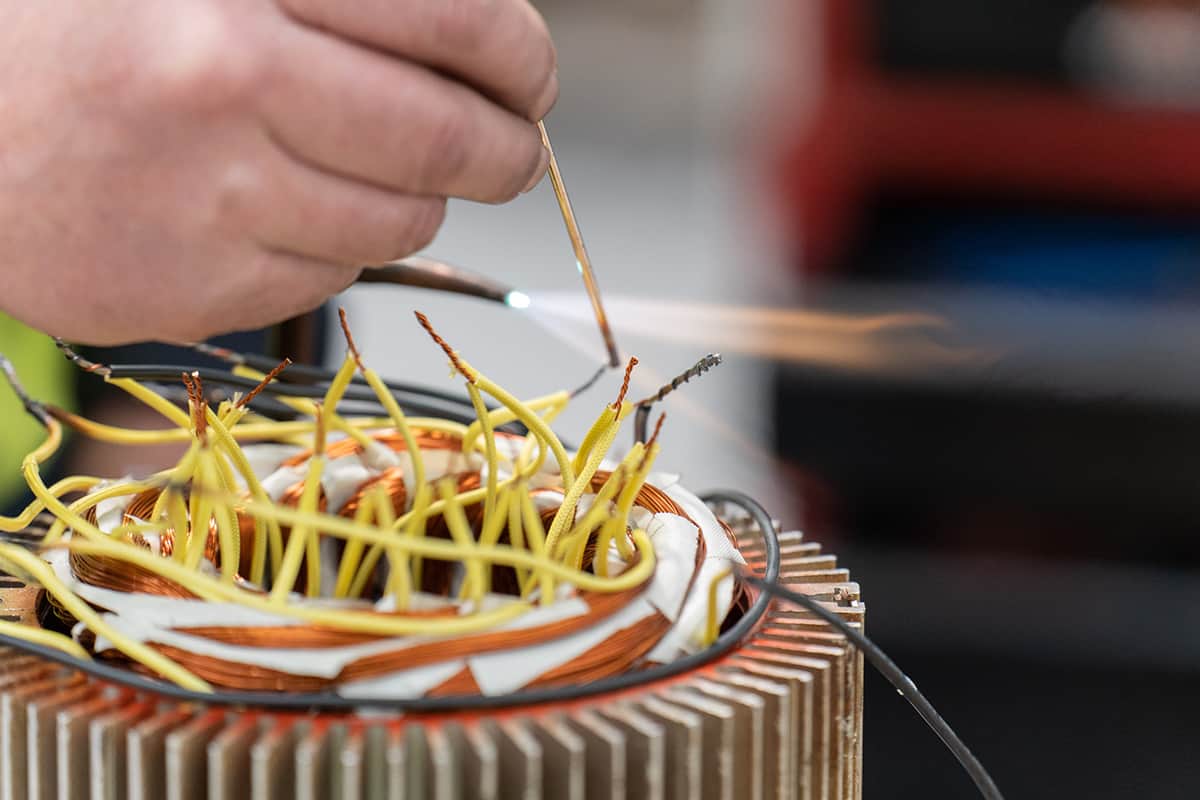
- Motors: Burnt windings, loose components, or damaged insulation.
- Pumps: Corroded or cracked casings, worn impellers, or shaft misalignment.
- Gearboxes: Pitting, scoring, or cracks on gears and shafts, as well as loose fasteners.
Tip: Scheduled inspections using checklists and photographic records allow trends to be tracked over time.
The role of predictive maintenance
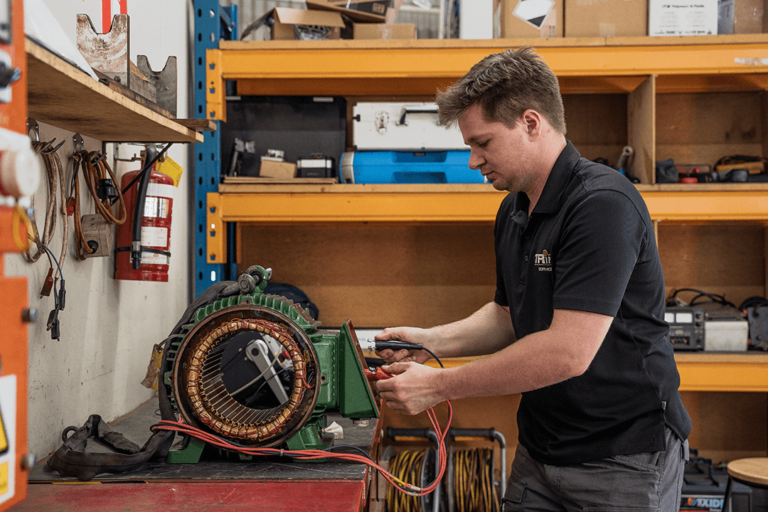
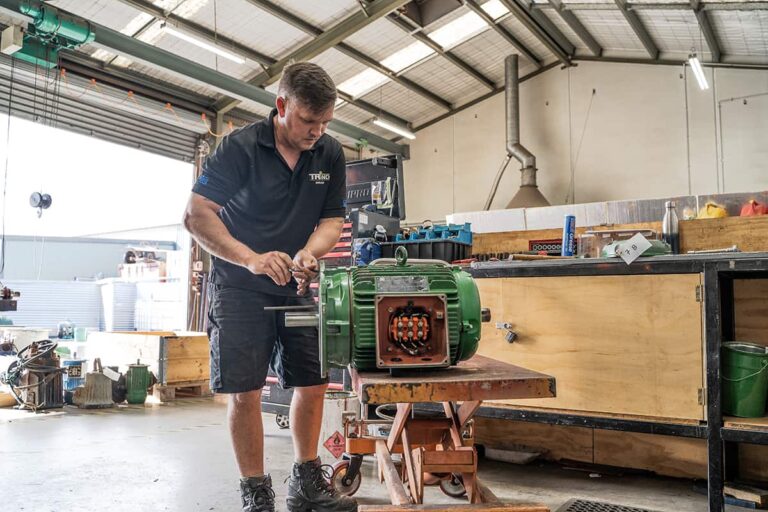
Catching early wear is easier with proactive maintenance. Tools like vibration analysis, thermography, laser alignment, and condition monitoring provide measurable data on equipment health. At TRS, we combine these techniques with hands-on inspections to give an accurate picture of your rotating machinery’s condition.
By addressing minor wear before it becomes a major fault, organisations can reduce downtime, avoid emergency repairs, and improve safety.
Early identification of wear in motors, pumps, and gearboxes is essential for reliable, efficient industrial operations. Regular inspections, performance monitoring, and predictive maintenance are the most effective ways to protect your machinery.
Detecting problems early isn’t just about avoiding breakdowns, it’s about optimising asset life, reducing costs, and ensuring smooth, safe operations.
Summary: Early signs of wear in industrial motors, pumps, and gearboxes include unusual vibrations, excessive heat, leaks, reduced performance, and visible physical damage. Detecting wear early through inspections, condition monitoring, vibration analysis, and predictive maintenance helps prevent costly downtime, extend machinery life, and maintain efficiency. TRS NZ provides expert diagnostics, repairs, and maintenance services to support industrial rotating equipment across New Zealand.