What to look for when choosing a local service partner in New Zealand
Selecting the right service partner is a critical decision for any business. The quality of service, depth of expertise and local support you choose can have a direct impact on reliability, operating costs and long-term asset performance.
In New Zealand, where industries often operate across geographically spread sites and challenging environments, partnering with a capable local service provider is especially important. Understanding what to look for can help ensure you choose a partner that delivers consistent value, not just reactive repairs.
Proven technical capability across multiple disciplines
A reliable service partner should offer more than a single service or repair capability. Modern maintenance requires a combination of mechanical, electrical and condition monitoring expertise.
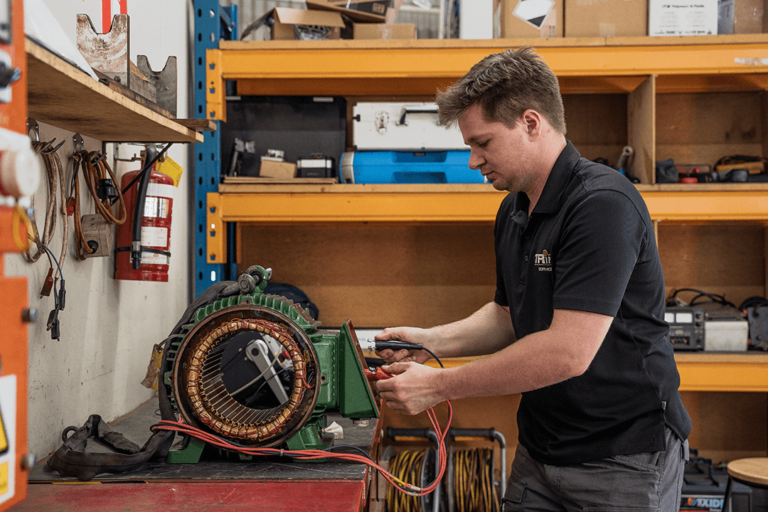
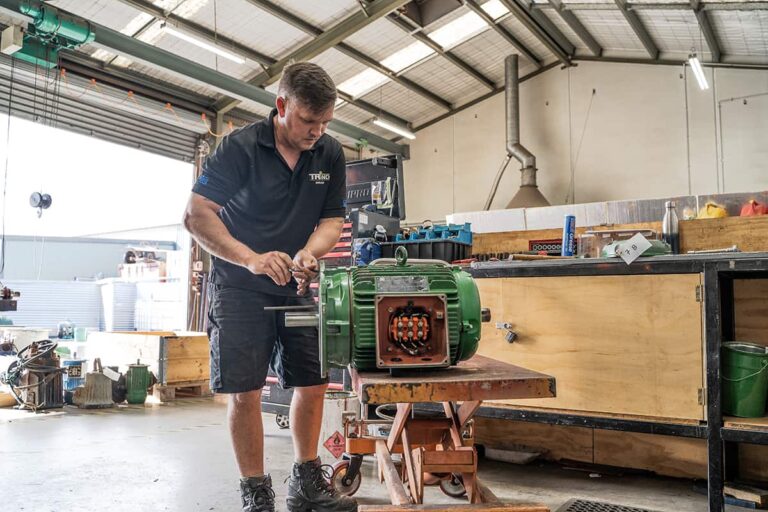
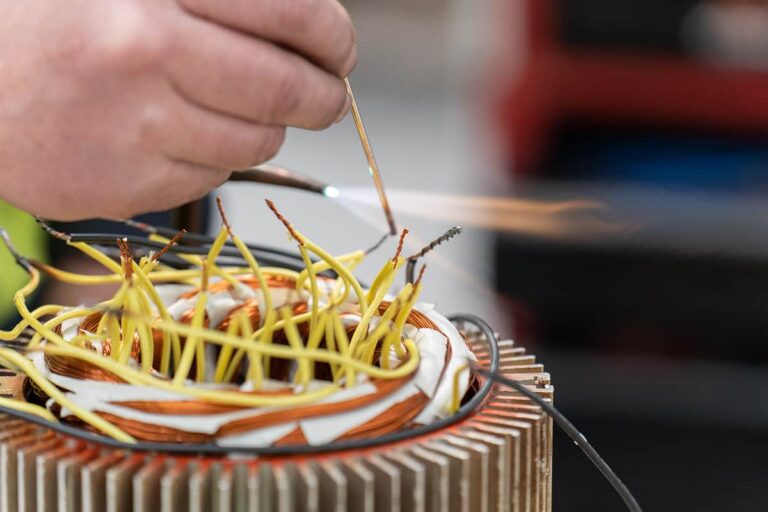
Look for a provider that offers services such as repairs and rewinds on your rotating machinery (motors, pumps, gearboxes, alternators), installation, laser alignment and dynamic balancing, condition monitoring (vibration analysis, continuous monitoring and static motor testing) and on-site maintenance and service support. Access to a broad range of technical services means issues can be pre-identified, analysed and resolved without relying on multiple contractors.
This integrated approach improves fault diagnosis, shortens repair timeframes and supports better long-term reliability outcomes.
Local presence and responsive support
Local knowledge and availability are key factors when choosing a service partner in New Zealand. Equipment failures rarely occur at convenient times, and delayed response can significantly increase downtime and production losses.
A local service provider is better positioned to respond quickly, understand site-specific operating conditions, and provide ongoing support. Proximity also allows for regular site visits, condition monitoring and maintenance-based programs and relationship-based service, rather than one-off callouts.
When evaluating a provider, consider their ability to support your location, their response times, and whether they offer both workshop and on-site services.
Experience with New Zealand industries
Industry experience matters. Machinery operating in food processing, manufacturing, utilities, forestry, or heavy industry often faces unique challenges related to load profiles, environmental conditions, and compliance requirements.
A local service partner with broad experience across New Zealand’s diverse industries is more likely to understand common failure modes, regulatory expectations and best-practice maintenance approaches. This experience enables more accurate recommendations and practical solutions tailored to real-world operating conditions.
Focus on reliability, not just repairs
While repairs are sometimes unavoidable, a strong service partner should focus on improving reliability rather than simply fixing failures.
Look for a provider that takes a proactive approach through predictive maintenance and condition monitoring. Services such as vibration analysis and static motor testing help to identify developing faults early, allowing maintenance to be planned rather than rushed.
A reliability-focused partner will help you move away from reactive maintenance, reduce unplanned downtime and improve equipment availability over time.
Clear reporting and actionable insights
Data alone does not improve performance. The value comes from how that information is interpreted and applied.
An effective service provider should deliver clear, practical reporting that explains what has been found, why it matters, and what actions are recommended. Reports should support informed maintenance decisions and provide confidence in prioritising work.
This level of clarity is essential for maintenance managers who need to balance risk, budget and operational demands.
Commitment to safety and compliance
Machinery servicing involves inherent risks, making safety systems and compliance non-negotiable. A trusted service partner should operate to recognised safety standards and maintain robust health and safety practices.
In regulated environments, documented testing, inspection and maintenance records are also critical. Choosing a provider that understands compliance requirements helps reduce risk and supports safe, reliable operation.
Long-term partnership and ongoing support
The most effective service partner relationships are built over time. Rather than engaging different contractors for individual issues, many businesses benefit from working with a long-term service partner who understands their equipment history and operational priorities.
A long-term partnership enables better trend analysis, improved maintenance planning and more consistent reliability outcomes. It also provides a single point of accountability for machinery performance.
Why TRS is a trusted local service partner
TRS supports businesses across New Zealand with comprehensive service and condition monitoring solutions. With a strong local presence, experienced technicians and a focus on reliability, TRS works alongside clients to deliver practical, data-driven maintenance outcomes.
By combining technical expertise with responsive local support, TRS helps organisations businesses protect critical assets, reduce downtime, and achieve more predictable machinery performance.
Get in touch with the TRS team today to discuss how we can support your operation. Contact the TRS team.
Summary
When choosing a local service partner in New Zealand, businesses should consider technical capability, local presence, industry experience, reliability-focused maintenance, clear reporting and strong safety practices. A trusted partner like TRS provides integrated machinery services, predictive maintenance and condition monitoring to improve equipment reliability, reduce unplanned downtime and support long-term asset performance.