Common signs your motor needs maintenance – A quick checklist








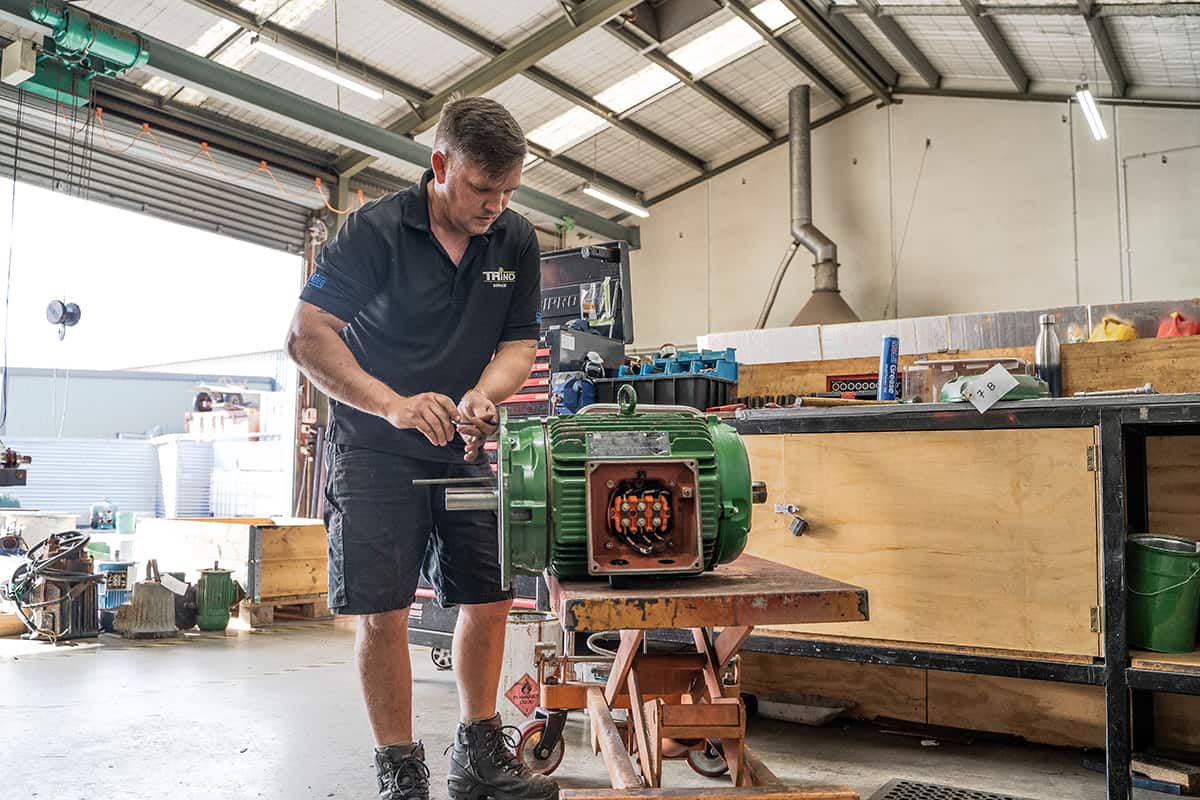
Electric motors are the backbone of industrial operations, powering everything from conveyors and crushers to pumps and fans. But too often, they’re treated as “fit and forget” assets… right up until they fail.
The reality? Motors rarely fail without warning. Subtle performance changes usually show up well before a breakdown – if you know what to look for.
Catching these early signs can mean the difference between a scheduled repair and costly, unplanned downtime.
Why early detection matters
Unplanned motor failure doesn’t just mean repair costs. It can trigger:
And with bearing issues, insulation breakdown, and overheating responsible for the majority of failures, most of these problems are predictable, and preventable.
Quick checklist: Signs your motor needs attention
Use this checklist as a fast, practical way to assess motor health on-site.
Unusual Noise
A healthy motor should run smoothly with a consistent hum.
Warning signs:
These typically point to bearing wear, misalignment, or loose components.
Action: Don’t ignore it, noise is often one of the earliest indicators of failure.
Increased Vibration
Excessive vibration is a major red flag.
Common causes:
Left unchecked, vibration accelerates wear across the entire system.
Action: Schedule vibration analysis before the issue escalates.
Overheating
Heat is one of the fastest ways to shorten motor life.
Look for:
Overheating can result from overload, poor ventilation, or internal faults.
Action: Investigate immediately, prolonged heat leads to insulation failure.
Rising Energy Consumption
If your motor is drawing more power than usual, something isn’t right.
Possible issues:
Action: Compare current draw against baseline performance.
Frequent Tripping or Electrical Faults
Circuit breakers tripping or inconsistent voltage readings are clear warning signs.
Potential causes:
Action: Electrical testing is essential before further operation.
Visible Wear or Contamination
Sometimes the issue is right in front of you.
Check for:
Action: Regular cleaning and inspection go a long way in preventing failure.
Bearing Issues
Bearings account for nearly half of all motor failures.
Signs include:
Poor lubrication or contamination is often the root cause.
Action: Check lubrication schedules and bearing condition regularly.
The bottom line: Don’t wait for failure
The most expensive motor repair is the one you didn’t plan for.
A simple, consistent inspection routine, even a quick daily walkaround, can catch the majority of issues before they turn into major failures.
At TRS, we see it all the time: small, early-stage faults left too long becoming full motor rebuilds or replacements.
Need a second opinion?
If your motor is showing any of the signs above, it’s worth getting it checked sooner rather than later.
TRS offers expert diagnostics, maintenance, and rewind services to help extend motor life, improve efficiency, and avoid costly downtime.
Get in touch with the team today to keep your operation running smoothly.

A recent visit to WEG’s global headquarters in Brazil offered a rare opportunity to see behind the scenes of one of the world’s leading electric motor manufacturers.

When it comes to keeping your equipment running reliably, the maintenance strategy you choose can have a major impact on downtime, costs, and long-term performance.
If you’ve been comparing predictive vs preventive maintenance or wondering whether your current approach is holding your operation back, you’re not alone. Many facilities still rely on outdated methods, often without realising the cost.
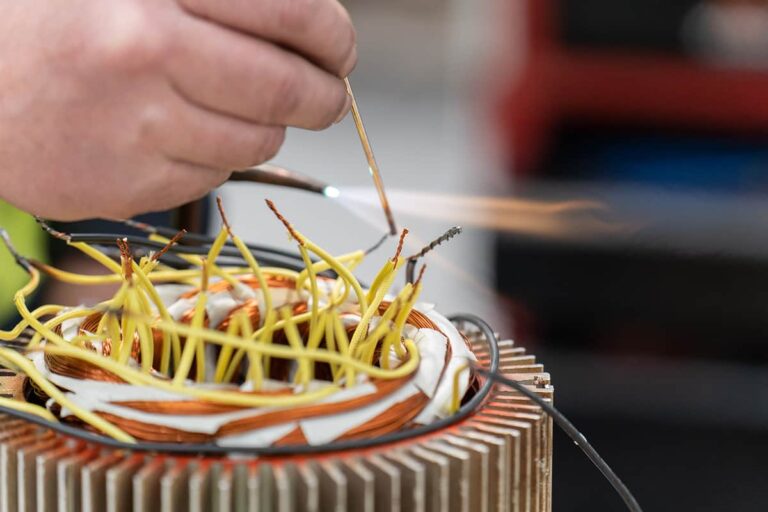
Electric motors are the backbone of countless industrial operations. From manufacturing plants to HVAC systems, they keep things moving – literally. But like any hardworking piece of equipment, they need regular attention to stay reliable, efficient, and safe. One of the most common questions we hear is: how often should electric motors be tested? The…
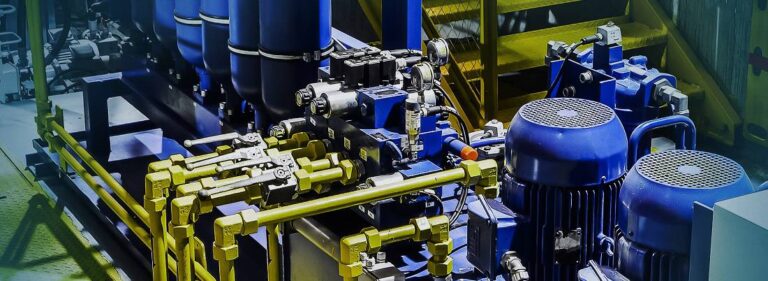
Keeping industrial pumps performing reliably in challenging environments isn’t just about reacting when something fails, it’s about understanding what’s happening inside your equipment long before issues surface. Condition monitoring gives businesses real-time insights into pump health, helping reduce risk, extend equipment life, and maintain consistent performance.

Machines are critical to keeping operations running smoothly, whether in industrial facilities or even in smaller workshops. But even the most reliable equipment can develop problems over time, often without obvious signs, until it’s too late. That’s where vibration analysis comes in. Spotting problems before they happen Every machine produces a unique vibration pattern while…
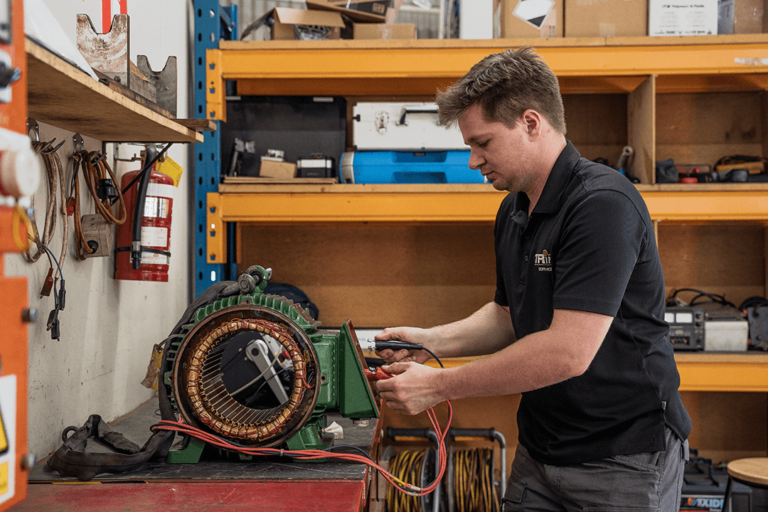
Electric motors play a vital role in keeping everything from factory equipment to everyday tools running smoothly. Whether you’re managing equipment for a large facility or maintaining a few electric motors at home, keeping them in good condition is essential to maximise performance, prevent costly downtime, and extend their lifespan. Want your electric motors to…