How often should electric motors be tested?
Electric motors are the backbone of countless industrial operations. From manufacturing plants to HVAC systems, they keep things moving – literally. But like any hardworking piece of equipment, they need regular attention to stay reliable, efficient, and safe.
One of the most common questions we hear is: how often should electric motors be tested? The answer isn’t one-size-fits-all, but with the right approach, you can avoid costly downtime and extend the life of your equipment.
Why regular motor testing matters
Routine electric motor testing isn’t just about ticking a maintenance box, it’s about protecting your operation. Faulty motors can lead to unexpected breakdowns, reduced efficiency, and even safety risks.
By implementing a structured motor testing schedule, you can:
- Detect faults early before they escalate
- Improve energy efficiency
- Extend motor lifespan
- Reduce unplanned downtime
- Maintain compliance with safety standards
So, how often should you test?
The ideal testing frequency depends on several factors, including the motor’s size, application, environment, and criticality to your operation. However, here are some general guidelines:
High-criticality motors
Motors that are essential to your operation, or where failure would cause significant disruption, should be tested more frequently.
Recommended frequency:
- Monthly electrical and mechanical testing
- Annual comprehensive testing
Standard industrial motors
For motors used in typical industrial applications with moderate usage:
Recommended frequency:
- Quarterly mechanical testing
- Annual electrical testing
Low-use or backup motors
Motors that are rarely used or serve as backups may not need frequent testing, but they shouldn’t be ignored.
Recommended frequency:
- Quarterly – shaft turns
- Annual testing
- Pre-start checks before use
Factors that influence testing frequency
Every site is different, and several variables can impact how often your motors should be tested:
- Operating environment: Dust, moisture, heat, and vibration can accelerate wear and tear
- Load conditions: Motors running at or near full capacity may degrade faster
- Duty cycle: Continuous operation vs intermittent use
- Motor age: Older motors typically require more frequent testing
- Previous test results: Trending data can help identify increasing risk
Common electric motor tests
A well-rounded maintenance plan includes a mix of testing methods to assess different aspects of motor health:
- Insulation resistance testing – identifies insulation breakdown
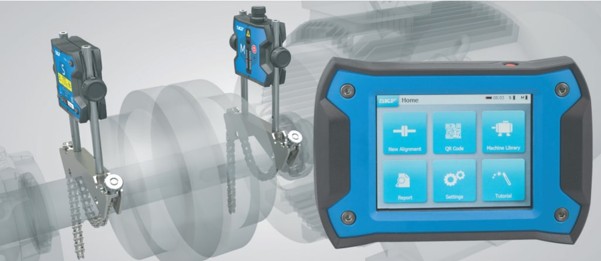
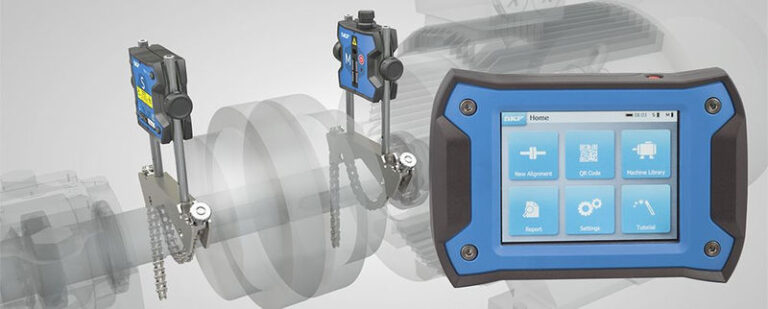
- Vibration analysis – detects imbalance, misalignment, or bearing issues
- Thermography – highlights overheating components
- Electrical signature analysis – reveals internal electrical faults
- Surge testing – checks winding integrity
These tests provide valuable insights into motor condition and help guide proactive maintenance decisions.
The role of predictive maintenance
Rather than relying solely on fixed schedules, many businesses are moving toward predictive maintenance for electric motors. This approach uses data and condition monitoring to determine when testing and maintenance should occur.
The benefit? You’re not over-servicing healthy equipment, or missing early warning signs.
Finding the right balance
Over-testing can be costly and unnecessary, while under-testing increases the risk of failure. The key is finding a balance based on your specific operation.
Working with experienced professionals can help you develop a tailored electric motor maintenance schedule that aligns with your equipment, environment, and operational goals.
There’s no universal rule for how often electric motors should be tested, but there is a smart approach. By understanding your equipment, monitoring its condition, and applying the right testing intervals, you can keep your motors running smoothly and your business moving forward.
If you’re unsure where to start, the TRS team are here to help. Get in touch with our expert team to discuss your electrical motors.
Summary
How often electric motors should be tested depends on factors like their usage, environment, and importance to your operation. While high-criticality motors may require frequent inspections and testing, others can follow a more periodic schedule. Regular electric motor testing, including insulation resistance testing, vibration analysis, and condition monitoring, helps detect faults early, improve efficiency, and prevent costly downtime. By combining routine inspections with a predictive maintenance approach, businesses can optimise their electric motor maintenance schedule and ensure long-term reliability and performance.